
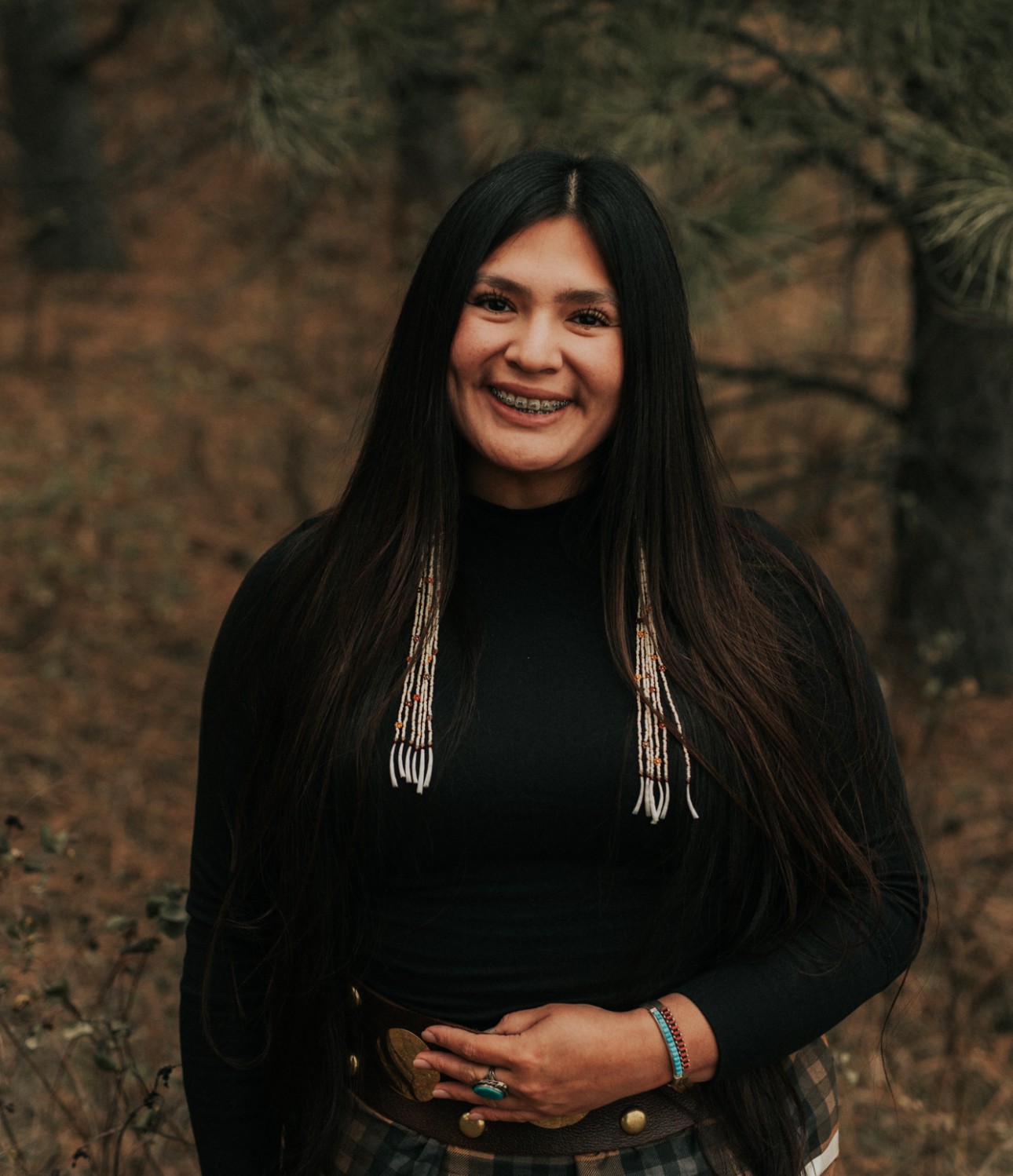
My name is Ayanna Maynard, and I am enrolled member of the Cheyenne River Sioux Tribe. I hold space for plants, students, and mentors, all of whom have significantly shaped my path. My work embodies an evolving blend of ecological restoration, cultural revitalization, and community-driven education. I firmly believe that everyone has the right to occupy spaces where their knowledge can foster healing.
I teach an agribusiness class at United Tribes Technical College that focuses on hands-on restoration and student mentorship. The course began in response to the need for practical knowledge in agricultural technology and sustainable practices. We cover essential topics such as garden planning, irrigation, and business fundamentals, preparing students to start a garden from the ground up. This practical approach equips them with skills that are readily applicable in agricultural technology.
The knowledge gained in this course empowers students to engage in agricultural technology meaningfully. By learning about native plant propagation, irrigation techniques, and business fundamentals, students are prepared to innovate in ways that improve agricultural practices and sustainability.
This course is designed to prepare the agra workforce of the future by emphasizing real-world applications and long-term ecological thinking. Students leave with tangible outcomes and a project that they can build upon after graduation, whether they aim to start their own businesses or contribute to existing agricultural enterprises.
I became involved with the ND AgTech Engine through a unique opportunity presented to me by my former instructors at UTTC. They recognized my background in sustainable agriculture and business and encouraged me to apply for a position within the tech engine. Eager to grow both personally and professionally, I embraced the chance to work with agricultural technology.
Currently, I am involved in a pollinator project in collaboration with the American Indian College Fund. This initiative aims to develop native pollinator gardens, which are crucial for maintaining biodiversity in agriculture. One of the significant challenges our project addresses is the decline of native pollinators, which poses a threat to food systems and agricultural sustainability.
Our project will benefit farmers by enhancing pollination services through the establishment of native gardens. This will not only improve crop yields but also foster a more resilient agricultural ecosystem. By creating pollinator-friendly environments, we aim to support the overall health of our agricultural landscapes.
I am collaborating with various partners, including the American Indian College Fund. My role primarily involves designing student learning experiences and guiding interns through practical applications of their studies. This collaborative approach ensures a diverse range of ideas and expertise, enriching the learning environment for everyone involved.
Our students are actively engaged as early career researchers in this work, helping with data collection, project documentation, and garden maintenance. This hands-on involvement not only deepens their understanding of agricultural practices but also fosters a sense of ownership over their learning journey.